




























Unlocking Inner Peace: The Power of Relaxation Exercises
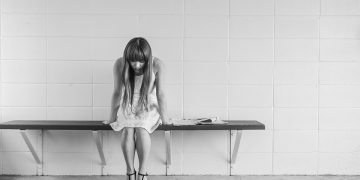
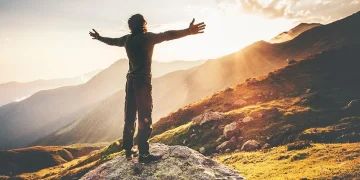
In today’s fast-paced world, stress is a common occurrence that can have a serious impact on our physical and mental well-being. Finding inner peace amidst the chaos of everyday life may seem like a daunting task, but it is possible with the power of relaxation exercises. By taking the time to unwind and relax, we can tap into a sense of peace and tranquility that can transform our lives for the better.
The Importance of Inner Peace
Inner peace is essential for our overall health and well-being. When we are constantly stressed and overwhelmed, it can lead to a variety of health issues such as high blood pressure, anxiety, depression, and even heart disease. By finding inner peace, we can improve our quality of life and experience a greater sense of happiness and fulfillment.
The Power of Relaxation Exercises
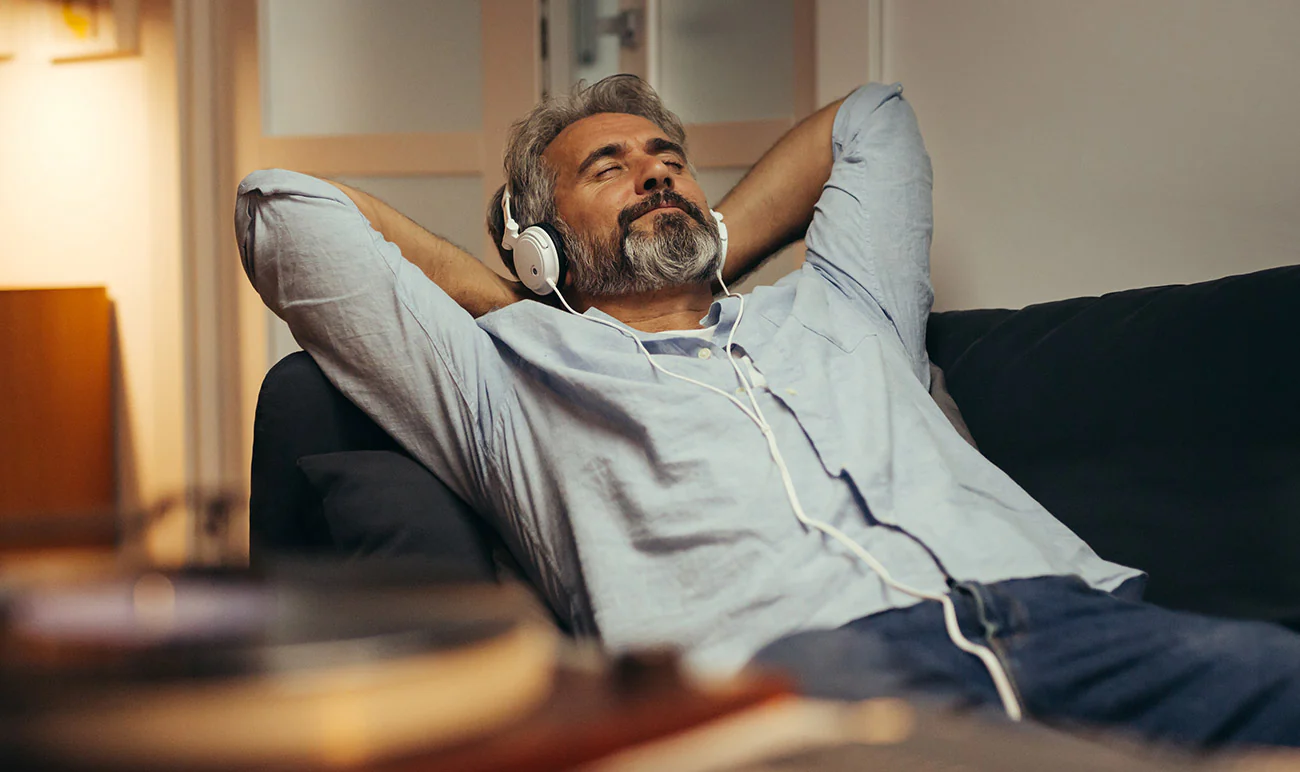
Relaxation exercises are a powerful tool for unlocking inner peace. By engaging in activities that help us relax and unwind, we can reduce stress levels, calm our minds, and restore balance to our bodies. There are many different relaxation exercises that can help us achieve inner peace, such as meditation, deep breathing exercises, progressive muscle relaxation, and visualization techniques.
Meditation
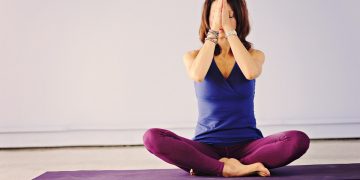
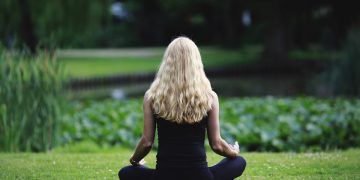
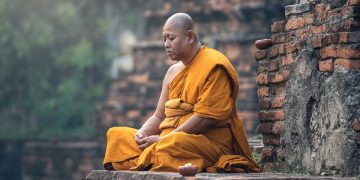
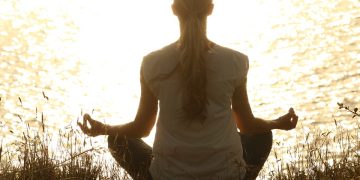
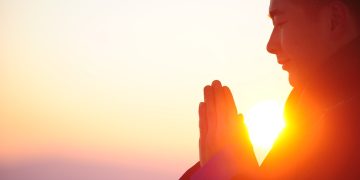
Meditation is a practice that has been used for centuries to promote relaxation and inner peace. By focusing on the present moment and clearing the mind of distractions, meditation can help us achieve a state of calm and serenity. To meditate, find a quiet and comfortable place to sit or lie down, close your eyes, and focus on your breath. As you breathe in and out, let go of any thoughts or worries that come to mind, and simply be in the moment.
Deep Breathing Exercises
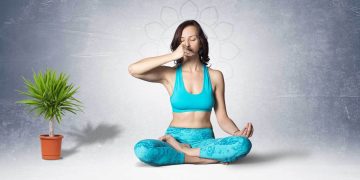
Deep breathing exercises are another effective way to reduce stress and promote relaxation. By taking slow, deep breaths, we can slow down our heart rate, lower blood pressure, and calm our nervous system. To practice deep breathing, sit or lie down in a comfortable position, place one hand on your chest and one hand on your abdomen, and take a deep breath in through your nose, making sure your abdomen rises as you inhale. Hold your breath for a few seconds, then exhale slowly through your mouth, feeling your abdomen fall as you breathe out.
Progressive Muscle Relaxation
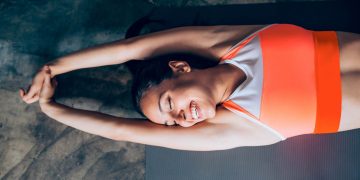
Progressive muscle relaxation is a technique that involves tensing and relaxing different muscle groups in the body to promote relaxation. By consciously tensing and releasing tension from various muscles, we can release physical and mental stress and achieve a state of deep relaxation. To practice progressive muscle relaxation, start by tensing the muscles in your toes for a few seconds, then releasing the tension and allowing your toes to relax. Continue this process up your body, focusing on each muscle group as you go.
Visualization Techniques
Visualization techniques involve imagining a peaceful and relaxing scene or experience to help calm the mind and promote relaxation. By visualizing a serene and tranquil setting, such as a beach or a meadow, we can create a sense of peace and tranquility within ourselves. To practice visualization, close your eyes and imagine yourself in your chosen peaceful setting, using all of your senses to fully immerse yourself in the experience.
Common Questions About Relaxation Exercises
How often should I practice relaxation exercises?
It is recommended to practice relaxation exercises on a regular basis to experience the full benefits. Aim to set aside at least 10-15 minutes each day for relaxation exercises, or longer if you have the time. Consistency is key in reaping the rewards of relaxation exercises and finding inner peace.
Can relaxation exercises help with anxiety and depression?
Yes, relaxation exercises are often recommended as a complementary therapy for anxiety and depression. By reducing stress levels and promoting relaxation, these exercises can help alleviate symptoms of anxiety and depression and improve overall mental well-being.
Are there any contraindications for relaxation exercises?
While relaxation exercises are generally safe for most people, consult with your healthcare provider before starting any new relaxation routine, especially if you have a medical condition or are pregnant. Some relaxation techniques may not be suitable for certain individuals, so it is important to seek professional guidance before beginning a relaxation practice.
Conclusion
In conclusion, relaxation exercises are a powerful tool for unlocking inner peace and promoting overall well-being. By incorporating meditation, deep breathing exercises, progressive muscle relaxation, and visualization techniques into your daily routine, you can reduce stress levels, calm your mind, and find a sense of peace and tranquility within yourself. Take the time to prioritize your mental and emotional health by practicing relaxation exercises regularly, and experience the transformative power of inner peace in your life.