













































In today’s fast-paced world, stress has become a common denominator for many people. From work pressures to personal challenges, stress can take a toll on our physical and mental health. While there are various ways to manage stress, one powerful tool that is often overlooked is deep breathing exercises.
By simply taking a few moments to focus on your breath, you can activate your body’s relaxation response and reduce the negative effects of stress on your mind and body. In this article, we will explore the power of deep breathing exercises and how incorporating them into your daily routine can make a significant difference in your overall well-being.
## What are deep breathing exercises?
Deep breathing exercises, also known as diaphragmatic breathing or belly breathing, involve taking deep, slow breaths through your nose, filling your lungs with air and expanding your diaphragm. This type of breathing promotes relaxation, reduces stress, and helps bring awareness to the present moment.
## How do deep breathing exercises work?
When we are stressed, our body’s sympathetic nervous system is activated, triggering the “fight or flight” response. This response can lead to increased heart rate, shallow breathing, and muscle tension. Deep breathing exercises work by activating the parasympathetic nervous system, also known as the “rest and digest” response. This calms the body and mind, and helps reduce stress and anxiety.
## The benefits of deep breathing exercises
– **Reduces stress and anxiety**: Deep breathing exercises have been shown to lower cortisol levels, reduce anxiety, and improve overall well-being.
– **Improves focus and concentration**: By bringing awareness to your breath, you can enhance your focus and concentration, making it easier to tackle tasks with clarity and efficiency.
– **Promotes relaxation**: Deep breathing helps relax the body and mind, promoting a sense of calm and inner peace.
– **Boosts immunity**: Deep breathing exercises can strengthen the immune system and improve overall health.
– **Enhances lung function**: By expanding the lungs and increasing oxygen intake, deep breathing exercises can improve lung function and respiratory health.
## How to practice deep breathing exercises
There are several different techniques you can use to practice deep breathing exercises. Here are a few simple exercises to get you started:
1. **Diaphragmatic breathing**: Sit or lie down in a comfortable position. Place one hand on your chest and the other on your abdomen. Inhale deeply through your nose, filling your lungs with air and expanding your abdomen. Exhale slowly through your mouth, pushing out all the air from your lungs. Repeat this for several minutes, focusing on the rhythm of your breath.
2. **4-7-8 breathing**: Inhale deeply through your nose for a count of 4, hold your breath for a count of 7, and exhale slowly through your mouth for a count of 8. Repeat this cycle several times to promote relaxation and reduce stress.
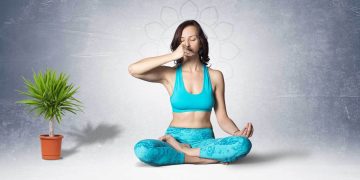
3. **Alternate nostril breathing**: Sit comfortably with your spine straight. Close your right nostril with your right thumb and inhale deeply through your left nostril. Close your left nostril with your right ring finger and exhale through your right nostril. Inhale through your right nostril, close it with your thumb, and exhale through your left nostril. Continue this pattern for several minutes to balance your energy and calm your mind.
## Tips for incorporating deep breathing exercises into your daily routine
– **Set aside time for practice**: Find a quiet space where you can practice deep breathing exercises without distractions.
– **Start small**: Begin with just a few minutes of deep breathing each day and gradually increase the duration as you become more comfortable with the practice.
– **Practice consistency**: Try to incorporate deep breathing exercises into your daily routine, whether it’s first thing in the morning, during a break at work, or before bed.
– **Combine with other relaxation techniques**: Deep breathing exercises can be even more effective when combined with other relaxation techniques such as meditation, yoga, or mindfulness.
## Conclusion
Deep breathing exercises are a simple yet powerful tool for managing stress, reducing anxiety, and promoting overall well-being. By incorporating these exercises into your daily routine, you can tap into the power of your breath to cultivate calm, focus, and relaxation. Whether you’re looking to reduce stress at work, improve your sleep, or enhance your overall health, deep breathing exercises offer a natural and effective way to achieve these goals. So take a deep breath, exhale slowly, and let go of stress as you embrace the power of deep breathing exercises.