














































Find Your Zen: The Ultimate Guide to Stress Relief Meditation
In today’s fast-paced world, stress has become a common phenomenon affecting millions of people worldwide. From work pressures to personal responsibilities, stress can take a toll on our mental and physical well-being. Fortunately, there is a simple solution that can help alleviate stress and promote relaxation: meditation.
The Benefits of Meditation
Meditation has been practiced for centuries as a way to cultivate inner peace and reduce stress. The benefits of meditation are numerous and include:
– Reduced stress and anxiety
– Improved focus and concentration
– Enhanced self-awareness
– Increased feelings of calm and relaxation
– Better sleep quality
– Lower blood pressure and improved cardiovascular health
How to Get Started with Meditation
If you’re new to meditation, getting started may seem daunting at first. However, with a little guidance and practice, anyone can learn to meditate effectively. Here are some steps to help you get started:
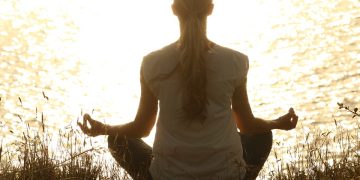
1. Find a quiet and comfortable space where you won’t be disturbed.
2. Sit or lie down in a relaxed position.
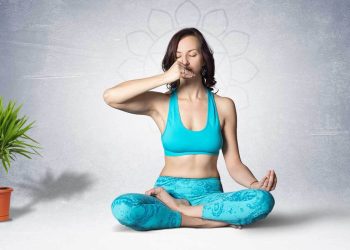
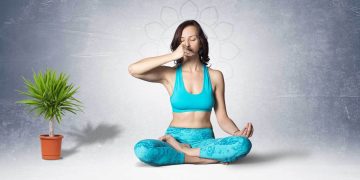
3. Close your eyes and focus on your breath. Take slow, deep breaths in and out.
4. Let go of any thoughts or distractions that come to mind. Simply focus on your breath.
5. Start with short meditation sessions, gradually increasing the time as you become more comfortable.
Types of Meditation Techniques
There are many different types of meditation techniques, each with its unique benefits. Some popular meditation techniques include:
– Mindfulness meditation: Focuses on being present in the moment and observing your thoughts and feelings without judgment.
– Guided meditation: Involves listening to a recording or a guide who leads you through a meditation practice.
– Loving-kindness meditation: Involves sending compassion and love to yourself and others.
– Transcendental meditation: Involves repeating a mantra to achieve a state of deep relaxation and awareness.
Common Misconceptions About Meditation
One of the common misconceptions about meditation is that you need to clear your mind completely in order to meditate effectively. In reality, it’s normal for thoughts to come and go during meditation. The key is to observe your thoughts without getting caught up in them and gently bring your focus back to your breath.
Using Meditation for Stress Relief
Meditation can be a powerful tool for stress relief. By incorporating meditation into your daily routine, you can learn to manage stress more effectively and cultivate a sense of peace and relaxation. Here are some tips for using meditation for stress relief:
– Set aside time each day for meditation, even if it’s just a few minutes.
– Practice mindfulness throughout the day by bringing your awareness to the present moment.
– Use guided meditation recordings to help you relax and unwind.
– Experiment with different meditation techniques to find what works best for you.
Conclusion
In conclusion, meditation is a valuable tool for stress relief and relaxation. By incorporating meditation into your daily routine, you can experience a host of benefits for your mental and physical well-being. Whether you’re a beginner or an experienced meditator, there are many resources available to help you on your meditation journey. Start small, be patient with yourself, and enjoy the process of finding your Zen.