













































Unleashing Inner Peace: The Power of Deep Breathing Exercises
In today’s fast-paced world filled with constant stress and anxiety, finding inner peace can seem like an elusive goal. However, one powerful tool that can help you achieve a sense of calm and tranquility is deep breathing exercises. These simple yet effective techniques have been practiced for centuries and have been shown to have numerous physical and mental health benefits.
The Science Behind Deep Breathing
When we are stressed or anxious, our bodies go into “fight or flight” mode, releasing hormones like cortisol and adrenaline that raise our heart rate and blood pressure. Deep breathing exercises work by activating the body’s relaxation response, also known as the parasympathetic nervous system. This helps reduce the production of stress hormones and triggers a sense of calm.
Benefits of Deep Breathing Exercises
– Reduced stress and anxiety
– Lowered blood pressure
– Improved focus and concentration
– Better sleep
– Enhanced immune function
– Increased energy levels
How to Practice Deep Breathing Exercises
There are several different techniques you can try to tap into the power of deep breathing. Here are a few popular methods:
1. Diaphragmatic Breathing
Also known as belly breathing, this technique involves breathing deeply into your diaphragm rather than shallowly into your chest. To practice diaphragmatic breathing, sit or lie down in a comfortable position. Place one hand on your chest and the other on your abdomen. Inhale deeply through your nose, letting your abdomen rise as you fill your lungs with air. Exhale slowly through your mouth, feeling your abdomen fall. Repeat this process for several minutes, focusing on the sensation of your breath moving in and out.
2. Box Breathing
Box breathing is a simple and effective technique that involves inhaling, holding your breath, exhaling, and then holding again, all for the same count of seconds. Start by inhaling through your nose for a count of four, then hold your breath for a count of four. Exhale slowly through your mouth for a count of four, then hold your breath again for a count of four. Repeat this process for several minutes, focusing on maintaining an even and steady rhythm.
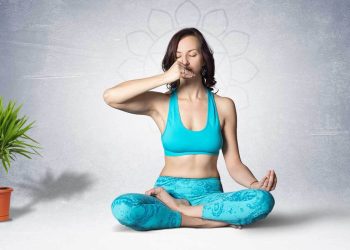
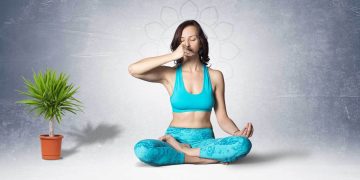
3. Alternate Nostril Breathing
This technique is often used in yoga and involves breathing through one nostril at a time. Sit in a comfortable position and use your right thumb to close off your right nostril. Inhale deeply through your left nostril, then use your right ring finger to close off your left nostril and exhale through your right nostril. Inhale through your right nostril, then switch sides and exhale through your left nostril. Repeat this process for several minutes, focusing on the sensation of your breath moving through each nostril.
FAQs About Deep Breathing Exercises
1. How long should I practice deep breathing exercises each day?
It’s recommended to practice deep breathing exercises for at least 10-15 minutes each day to experience the full benefits. However, even just a few minutes of deep breathing can help reduce stress and promote a sense of calm.
2. Can deep breathing help with insomnia?
Yes, deep breathing exercises can be an effective tool for promoting better sleep. By activating the relaxation response in the body, deep breathing can help calm the mind and prepare you for a restful night’s sleep.
3. Can deep breathing exercises help with chronic pain?
Deep breathing exercises have been shown to be effective in managing chronic pain by reducing stress levels and promoting relaxation. By calming the nervous system, deep breathing can help alleviate the perception of pain and improve overall well-being.
Final Thoughts
Incorporating deep breathing exercises into your daily routine can be a powerful way to find inner peace and promote overall well-being. By tapping into the body’s relaxation response, deep breathing can help reduce stress, anxiety, and improve mental clarity. Whether you’re looking to unwind after a long day or simply find a moment of calm in a busy schedule, deep breathing exercises are a valuable tool to have in your wellness toolkit. So take a deep breath, exhale slowly, and feel the power of inner peace unleashed.