



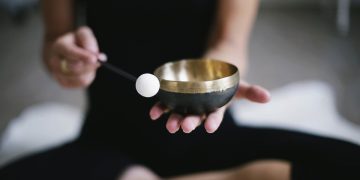


















































Mastering Mindfulness: Proven Techniques for Stress Relief
In today’s fast-paced world, stress has become a common problem for many people. From work deadlines to family responsibilities, it’s easy to feel overwhelmed and anxious. This is where mindfulness comes in. Mindfulness is a practice that focuses on bringing awareness to the present moment, without judgment. It has been proven to be an effective technique for reducing stress and improving overall well-being.
In this article, we will explore the benefits of mindfulness and provide you with proven techniques for mastering mindfulness to help you manage stress.
**What is Mindfulness?**
Mindfulness is the practice of being present in the moment, without judgment. It involves paying attention to your thoughts, feelings, and sensations without getting caught up in them. By cultivating mindfulness, you can become more aware of your automatic reactions to stress and learn to respond in a more mindful way.
**Benefits of Mindfulness for Stress Relief**
Research has shown that mindfulness can be a powerful tool for reducing stress and improving mental health. Some of the benefits of mindfulness for stress relief include:
1. Reduced anxiety: Mindfulness can help you become more aware of your anxious thoughts and learn to respond to them in a more constructive way.
2. Improved focus and concentration: By practicing mindfulness, you can train your mind to be more present and focused, making it easier to concentrate on tasks and activities.
3. Better emotional regulation: Mindfulness can help you regulate your emotions and respond to stress in a more balanced way.
4. Increased self-awareness: Mindfulness can help you gain a deeper understanding of yourself and your patterns of thought and behavior, allowing you to make more conscious choices.
**Proven Techniques for Mastering Mindfulness**
1. Mindful breathing: One of the simplest and most effective ways to practice mindfulness is through mindful breathing. Take a few minutes each day to focus on your breath, paying attention to the sensations of the air entering and leaving your body. This can help calm your mind and bring you into the present moment.
2. Body scan meditation: Another powerful mindfulness technique is the body scan meditation. Start by bringing your attention to your toes and slowly move up through your body, paying attention to any sensations or areas of tension. This can help you relax your body and become more aware of any physical signs of stress.
3. Mindful eating: Mindful eating is a great way to practice mindfulness in everyday life. Take the time to savor each bite, paying attention to the taste, texture, and sensations of the food. This can help you appreciate your food more and become more mindful of your eating habits.
4. Mindful walking: Mindful walking involves paying attention to each step as you walk, focusing on the sensations in your feet and the movement of your body. This can be a great way to clear your mind and become more present in the moment.
5. Loving-kindness meditation: Loving-kindness meditation involves sending positive thoughts and feelings to yourself and others. This can help cultivate compassion and empathy, reducing feelings of stress and promoting a sense of connection with others.
**Incorporating Mindfulness into Your Daily Routine**
Now that you know some proven techniques for mastering mindfulness, it’s important to incorporate them into your daily routine. Here are some tips for making mindfulness a regular practice:
1. Start small: You don’t have to meditate for hours each day to experience the benefits of mindfulness. Start with just a few minutes of mindfulness practice each day and gradually increase the time as you become more comfortable.
2. Set reminders: Use cues in your environment to remind you to practice mindfulness, such as setting a timer on your phone or placing a sticky note on your desk.
3. Practice gratitude: Take time each day to reflect on what you are grateful for. This can help shift your focus from stress to positivity.
4. Join a mindfulness group: Consider joining a mindfulness group or class to connect with others who are also working on mastering mindfulness. This can provide support and accountability.
5. Be patient with yourself: Remember that mindfulness is a practice, and it’s normal to have moments of difficulty or distraction. Be kind to yourself and gently guide your attention back to the present moment.
**Conclusion**
Mastering mindfulness is a powerful way to manage stress and improve your overall well-being. By incorporating proven techniques for mindfulness into your daily routine, you can cultivate a greater sense of awareness, focus, and emotional regulation. Remember to start small, be patient with yourself, and practice regularly to experience the full benefits of mindfulness. With dedication and practice, you can master mindfulness and enjoy a more peaceful and balanced life.