














































Mastering Meditation: A Beginner’s Guide to Inner Peace and Clarity
Introduction:
In today’s fast-paced world, it’s easy to get caught up in the chaos of daily life. From work deadlines to social obligations, it can feel like there’s never a moment of peace and quiet. However, meditation offers a way to escape the hustle and bustle and find inner peace and clarity. In this beginner’s guide to meditation, we will explore the benefits of this ancient practice and provide practical tips for mastering meditation.
What is Meditation?
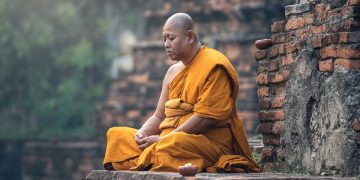
Meditation is a practice that involves focusing the mind and eliminating distractions to achieve a state of mental clarity and emotional calmness. It has been practiced for thousands of years in various cultures around the world and is known for its ability to reduce stress, increase focus, and promote overall well-being.
Types of Meditation:
There are many different types of meditation, each with its own unique techniques and benefits. Some common types of meditation include:
– Mindfulness meditation: This type of meditation involves focusing on the present moment and observing thoughts and sensations without judgment.
– Transcendental meditation: Transcendental meditation involves repeating a mantra to achieve a state of deep relaxation and self-awareness.
– Loving-kindness meditation: This type of meditation involves sending loving-kindness and compassion to oneself and others.
Benefits of Meditation:
Meditation offers a wide range of physical, mental, and emotional benefits. Some of the key benefits of meditation include:
– Reduced stress and anxiety: Meditation has been shown to reduce levels of cortisol, the stress hormone, and promote relaxation.
– Improved focus and concentration: Regular meditation practice can improve cognitive function and enhance concentration and memory.
– Better emotional well-being: Meditation can help regulate emotions and cultivate a greater sense of compassion and empathy.
– Improved physical health: Meditation has been linked to lower blood pressure, improved immunity, and better sleep.
Getting Started with Meditation:
If you’re new to meditation, getting started can feel overwhelming. However, with a few simple tips and techniques, you can begin to master the practice of meditation and experience its many benefits.
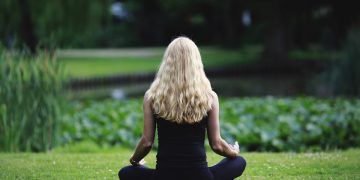
1. Find a quiet space: Choose a quiet space where you won’t be disturbed during your meditation practice. This could be a corner of your bedroom, a peaceful park, or even a quiet room in your home.
2. Set a time: Establish a regular meditation routine by setting aside a specific time each day for your practice. This could be first thing in the morning, during your lunch break, or before bed.
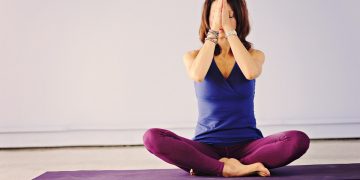
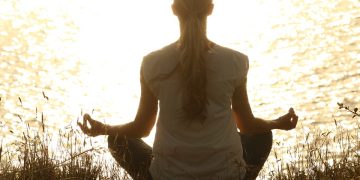
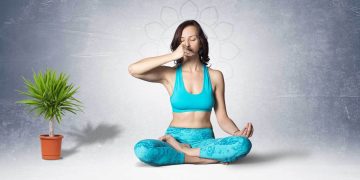
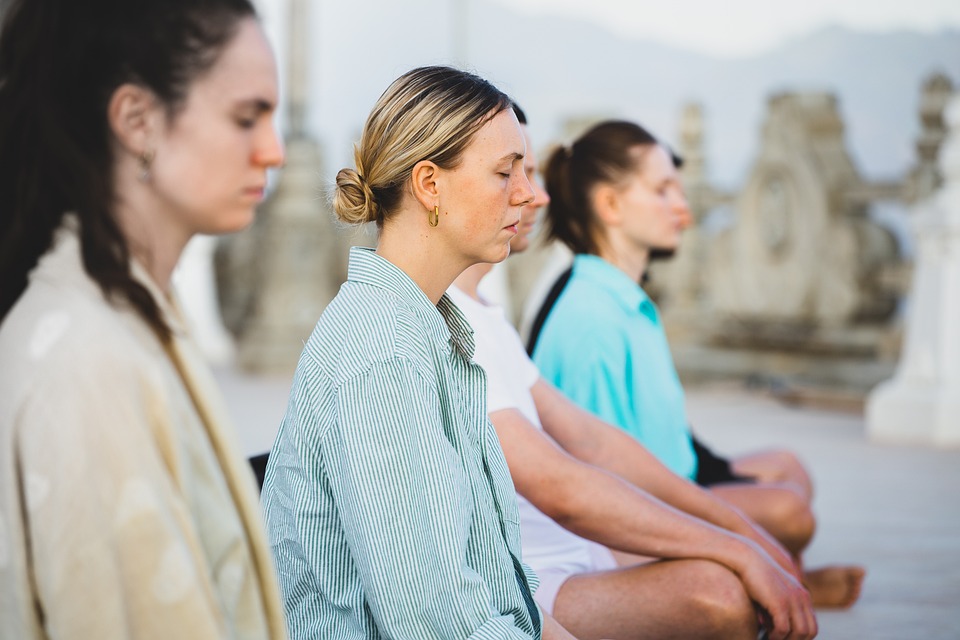
3. Get comfortable: Find a comfortable sitting position that allows you to relax and focus on your breath. You can sit on a cushion on the floor, in a chair, or even lie down if that feels more comfortable.
4. Focus on your breath: Begin your meditation by focusing on your breath. Notice the sensation of the air entering and leaving your body, and try to follow the natural rhythm of your breath.
5. Let go of distractions: As you meditate, you may notice thoughts, emotions, and sensations arising. Instead of getting caught up in these distractions, simply acknowledge them and return your focus to your breath.
6. Practice regularly: Like any skill, meditation requires practice to master. Start with just a few minutes each day and gradually increase the length of your sessions as you become more comfortable with the practice.
Common Questions About Meditation:
As a beginner, you may have questions about meditation and how to get started. Here are answers to some common questions about meditation:
– How long should I meditate each day? There is no one-size-fits-all answer to this question, as the ideal length of a meditation session will vary depending on your personal preferences and schedule. Some people find that just a few minutes of meditation each day is enough to experience the benefits, while others prefer longer sessions of 20-30 minutes.
– Can I meditate if I have a busy mind? Yes, absolutely! It’s normal to have a busy mind when you first start meditating. The key is to simply observe your thoughts without judgment and gently bring your focus back to your breath or mantra.
– Do I need any special equipment to meditate? While some people find it helpful to use meditation cushions or stools, you don’t need any special equipment to meditate. All you need is a quiet space and a willingness to practice.
Conclusion:
Mastering meditation is a journey that takes time and dedication, but the rewards are well worth the effort. By incorporating meditation into your daily routine, you can experience increased inner peace, clarity, and emotional well-being. Remember to be patient with yourself as you embark on your meditation journey and to practice regularly to reap the full benefits of this ancient practice. With dedication and commitment, you can become a master of meditation and enjoy a more balanced and harmonious life. Start your meditation practice today and discover the transformative power of inner peace and clarity.