




















































Mastering Serenity: The Power of Mindful Breathing Techniques
In today’s fast-paced world, finding a sense of calm and serenity can be a challenge. We are constantly bombarded with distractions and stressors that can leave us feeling overwhelmed and disconnected from ourselves. However, one simple yet powerful tool that can help us tap into our inner peace and find balance is mindful breathing techniques. By learning how to control our breath and focus our attention on the present moment, we can cultivate a sense of serenity and well-being that can positively impact all areas of our lives.
What is Mindful Breathing?
Mindful breathing is a form of meditation that involves paying attention to the breath as it flows in and out of the body. By bringing our awareness to the sensations of breathing, we can anchor ourselves in the present moment and quiet the constant chatter of the mind. This practice allows us to cultivate a deeper sense of self-awareness and presence, which can lead to reduced stress, improved focus, and a greater sense of inner peace.
The Benefits of Mindful Breathing
There are a myriad of benefits associated with mindful breathing techniques. Some of the most notable include:
1. Reduced Stress and Anxiety: Mindful breathing has been shown to activate the body’s relaxation response, which can help lower levels of stress hormones and calm the nervous system. By practicing mindful breathing regularly, we can train our bodies to respond more calmly to stressful situations and reduce feelings of anxiety.
2. Improved Focus and Concentration: By training our minds to focus on the sensations of breathing, we can improve our ability to concentrate and stay present in the moment. This can be especially helpful in today’s multitasking world, where distractions are rampant and our attention is constantly divided.
3. Enhanced Emotional Regulation: Mindful breathing can help us become more aware of our emotions and learn how to respond to them in a healthy way. By taking a deep breath and tuning into the present moment, we can create space between our thoughts and reactions, allowing us to choose more skilful responses to challenging situations.
4. Increased Self-Awareness: Mindful breathing can help us develop a greater sense of self-awareness and connect more deeply with our inner thoughts and feelings. By regularly checking in with ourselves through the practice of mindful breathing, we can cultivate a sense of inner knowing and clarity that can guide us in making more authentic choices.
5. Improved Sleep Quality: Mindful breathing can also be a helpful tool for promoting better sleep. By focusing on the breath before bedtime, we can calm the mind and body, making it easier to relax and drift off to sleep peacefully.
How to Master Serenity Through Mindful Breathing Techniques
If you’re ready to tap into the power of mindful breathing and cultivate a greater sense of serenity in your life, here are some tips to help you get started:
1. Find a Quiet Space: To practice mindful breathing effectively, it’s important to find a quiet space where you won’t be interrupted. This could be a corner of your bedroom, a peaceful park, or a quiet room in your home.
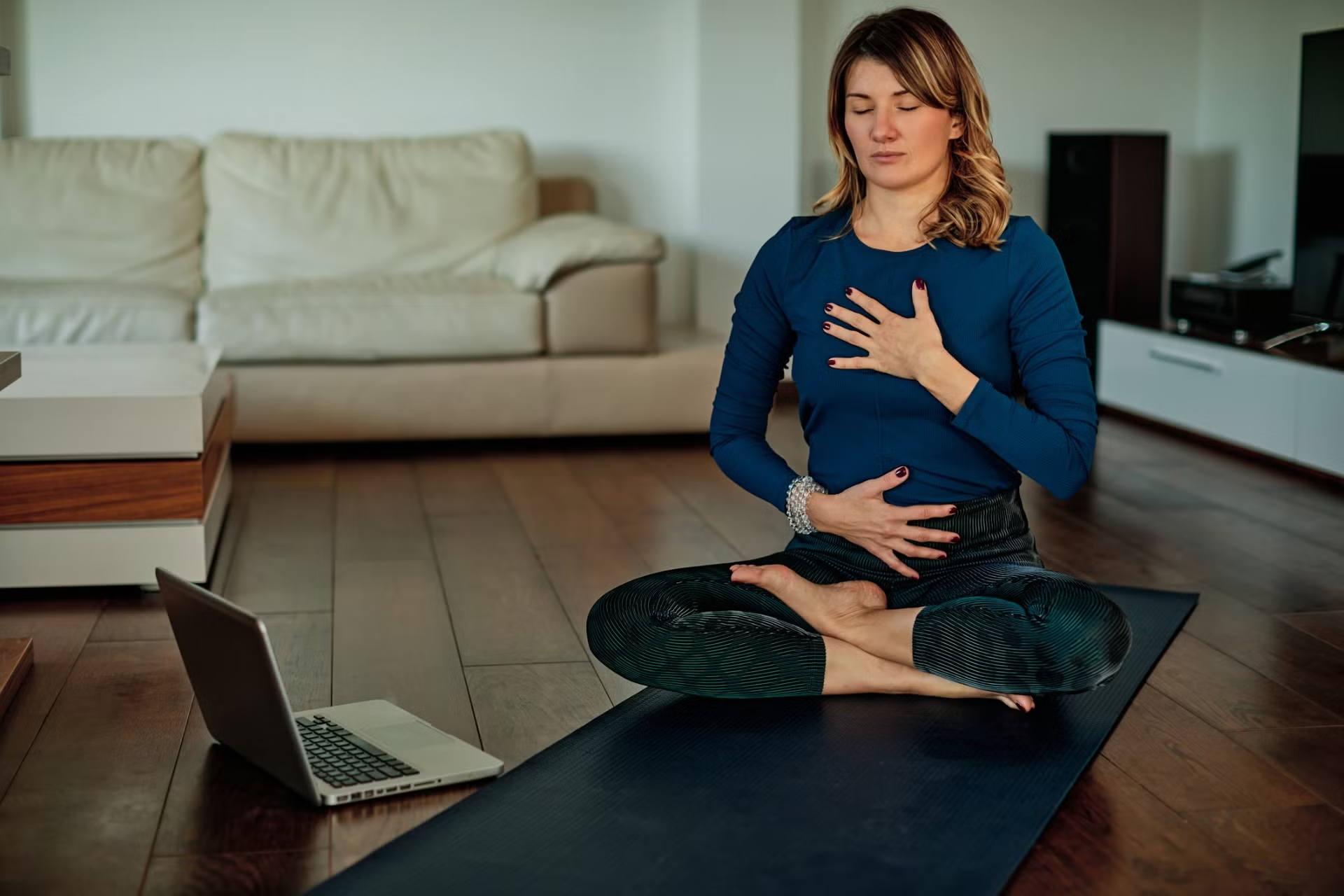
2. Get Comfortable: Sit or lie down in a comfortable position that allows you to relax and breathe freely. You can sit cross-legged on the floor, in a chair with your feet flat on the ground, or lie down on your back with your arms at your sides.
3. Focus on Your Breath: Begin by bringing your attention to your breath. Notice the sensations of breathing as the air flows in and out of your body. You may choose to focus on the rise and fall of your chest, the sensation of air passing through your nostrils, or the gentle expansion of your belly.
4. Stay Present: As you continue to breathe mindfully, try to stay present in the moment. If thoughts or distractions arise, simply acknowledge them and gently guide your attention back to your breath. Remember, the goal is not to stop thinking altogether, but to create space between your thoughts and cultivate a sense of presence and ease.
5. Practice Regularly: Like any skill, mastering mindful breathing takes practice. Try to set aside a few minutes each day to practice mindful breathing, gradually increasing the duration as you become more comfortable with the practice. You may find it helpful to incorporate mindful breathing into your daily routine, such as before bed, during a break at work, or first thing in the morning.
6. Explore Different Techniques: There are many different mindful breathing techniques that you can explore to find what works best for you. Some popular options include deep belly breathing, square breathing, and 4-7-8 breathing. Experiment with different techniques and find one that resonates with you.
7. Seek Support: If you’re struggling to master mindful breathing on your own, consider seeking support from a mindfulness teacher or therapist who can provide guidance and encouragement. Joining a mindfulness group or taking a mindfulness course can also be helpful in deepening your practice and connecting with others who share your interest in mindfulness.
The Science Behind Mindful Breathing
Research has shown that mindful breathing can have a profound impact on both the mind and body. Studies have found that regular practice of mindful breathing can reduce levels of the stress hormone cortisol, improve immune function, and enhance cognitive performance. By quieting the mind and activating the body’s relaxation response, mindful breathing can help us achieve a greater sense of balance and well-being.
Common Questions About Mindful Breathing
1. How long should I practice mindful breathing each day?
The amount of time you spend practicing mindful breathing is up to you. Some people find that just a few minutes each day is enough to experience the benefits, while others prefer to practice for longer periods of time. The key is to find a practice that feels sustainable and enjoyable for you.
2. Can I practice mindful breathing while doing other activities?
Yes, mindful breathing can be practiced in almost any situation. Whether you’re walking, eating, or doing household chores, you can bring your awareness to your breath and cultivate a sense of presence and calm. Experiment with incorporating mindful breathing into your daily activities to see how it can enhance your experience.
3. What should I do if I feel overwhelmed during my mindful breathing practice?
If you feel overwhelmed during your mindful breathing practice, it’s important to be gentle with yourself and take a break if needed. You can try grounding techniques, such as feeling your feet on the floor or placing a hand on your heart, to help you reconnect with the present moment. Remember that mindfulness is a practice, and it’s natural to experience ups and downs along the way.
Conclusion
Mindful breathing techniques are a powerful tool for cultivating serenity and well-being in our lives. By learning how to control our breath and focus our attention on the present moment, we can reduce stress, improve focus, and enhance our emotional well-being. With regular practice and dedication, we can master the art of mindful breathing and tap into a sense of peace that can positively impact all areas of our lives. So why not start practicing mindful breathing today and experience the transformative power of serenity for yourself?