


















































Unwind and Thrive: The Ultimate Guide to Stress Management
Stress is an inevitable part of life. Whether it’s from work, relationships, health, or other sources, most of us experience stress at some point. While some stress can be motivating and beneficial, chronic stress can have adverse effects on our physical and mental well-being. That’s why it’s essential to learn how to manage stress effectively to maintain a healthy balance in life. In this comprehensive guide, we’ll explore various strategies and techniques to help you unwind and thrive in the face of stress.
The Impact of Stress on Health
Before delving into stress management techniques, let’s first understand the impact of stress on our health. Chronic stress has been linked to a host of physical and mental health problems, including high blood pressure, heart disease, obesity, anxiety, depression, and more. It can weaken the immune system, disrupt sleep patterns, and increase the risk of developing chronic conditions. By learning how to manage stress effectively, you can protect your health and well-being in the long run.
Effective Stress Management Techniques
1. Exercise Regularly
Physical activity is a powerful stress reliever. Exercise releases endorphins, chemicals in the brain that act as natural painkillers and mood elevators. Whether it’s going for a run, practicing yoga, or lifting weights, find an activity that you enjoy and make it a regular part of your routine.
2. Practice Mindfulness and Meditation
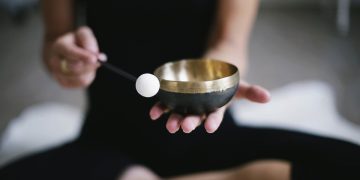
Mindfulness and meditation are effective tools for managing stress and promoting relaxation. Take a few minutes each day to focus on your breathing, clear your mind, and be present in the moment. You can also try guided meditation apps or classes to help you get started.
3. Get Plenty of Sleep
Adequate sleep is essential for managing stress and maintaining overall health. Aim for 7-9 hours of quality sleep each night to recharge your body and mind. Create a calming bedtime routine, limit screen time before bed, and create a restful sleep environment to optimize your sleep quality.
4. Practice Relaxation Techniques
There are many relaxation techniques you can try to reduce stress, such as deep breathing exercises, progressive muscle relaxation, or visualization. Find what works best for you and incorporate it into your daily routine to unwind and de-stress.
5. Connect with Others
Social support is essential for managing stress. Reach out to friends, family, or a support group for emotional support and companionship. Talking to others can help you gain perspective, vent your feelings, and feel less alone in your struggles.
Healthy Lifestyle Habits
In addition to specific stress management techniques, adopting healthy lifestyle habits can also help you better cope with stress. Eating a balanced diet, staying hydrated, avoiding excessive caffeine and alcohol, and prioritizing self-care are all vital for maintaining overall well-being and resilience in the face of stress.
Common Questions About Stress Management
1. How can I tell if I’m experiencing chronic stress?
Some common signs of chronic stress include irritability, fatigue, headaches, muscle tension, insomnia, and changes in appetite. If you’re experiencing these symptoms on a regular basis, it’s essential to seek help from a healthcare professional and implement stress management techniques to alleviate your symptoms.
2. What are the long-term effects of chronic stress?
Long-term chronic stress can have serious consequences on your health, including an increased risk of heart disease, stroke, diabetes, obesity, depression, and anxiety disorders. It can also impair your immune system, disrupt your sleep patterns, and negatively impact your overall quality of life.
3. How can I create a stress management plan?
Creating a stress management plan involves identifying your stress triggers, implementing stress-relieving strategies, and prioritizing self-care. Start by keeping a stress journal to track your stressors and responses, then work with a therapist or counselor to develop a personalized stress management plan that works for you.
Conclusion
In conclusion, stress is a common part of life, but how we respond to it can make all the difference. By learning how to manage stress effectively through a combination of stress management techniques, healthy lifestyle habits, and social support, you can reduce your stress levels, protect your health, and thrive in the face of adversity. Remember that managing stress is a lifelong journey, so be patient with yourself and prioritize self-care every step of the way. By incorporating these practices into your daily routine, you can unwind and thrive in the face of stress.
Remember to take care of yourself, and don’t hesitate to seek help from a healthcare professional if your stress becomes overwhelming. With the right strategies and support, you can overcome stress and live a fulfilling and balanced life.